

Introduction
In today’s fast-moving digital world, people are surrounded by technology all the time. From social media apps to productivity tools, everything is designed to keep users busy and connected. However, many people now feel overwhelmed and disconnected despite using so many platforms. This is where Miuzo enters as a fresh and meaningful concept. Miuzo is not just another digital platform; it represents a new way of thinking about how technology should support human life. Instead of distracting users, Miuzo focuses on improving real connections, creativity, and collaboration.
The growing interest in Miuzo in 2026 shows that users are searching for something more balanced and useful. Many people are confused about what Miuzo actually is, whether it is a music platform, a collaboration tool, or a digital ecosystem. The truth is that Miuzo combines all these ideas into one unified system. It brings together music, productivity, learning, and social interaction in a single experience.
This article will explain everything about Miuzo in simple words. You will learn its meaning, features, benefits, and future potential. By the end, you will clearly understand why Miuzo is becoming popular and how it may shape the future of digital life.
What Is Miuzo?
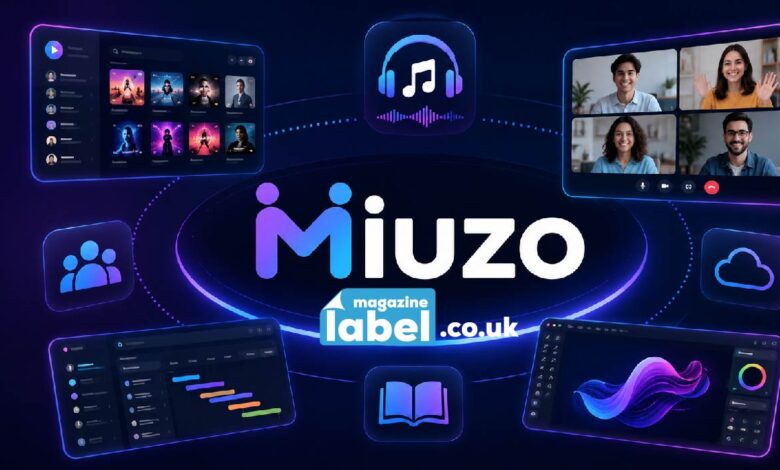
Miuzo is a modern digital platform that combines music, collaboration, productivity, and learning into one unified system. It is designed to provide a personalized and human-centered experience where users can connect, create, and grow without feeling overwhelmed. Unlike traditional platforms that focus only on one function, Miuzo integrates multiple tools into a single environment.
At its core, Miuzo focuses on improving how people interact with technology. It offers features like personalized music recommendations, collaborative workspaces, and creative tools. This makes it useful for different types of users, including students, professionals, and content creators.
Miuzo is not limited to one category. It works as a flexible ecosystem that adapts to user needs. Whether someone wants to listen to music, work with a team, or learn new skills, Miuzo provides a smooth and connected experience. This is why it is gaining attention as a next-generation platform.
The Core Idea Behind Miuzo
The main idea behind Miuzo is to make technology more human-friendly. In recent years, many digital tools have focused on speed and engagement, but they often ignore user well-being. Miuzo takes a different approach by focusing on meaningful interaction instead of constant distraction. It is built on the belief that technology should support human life, not control it.
Miuzo is based on three simple principles. The first is intentional use, where every feature is designed to serve a clear purpose. The second is enhancement, meaning technology should improve human abilities rather than replace them. The third is integration, where different aspects of life like work, learning, and entertainment are connected smoothly.
This philosophy makes Miuzo different from traditional platforms. It does not try to keep users online all the time. Instead, it helps users use their time better. By reducing digital noise and improving focus, Miuzo creates a more balanced digital experience. This is why many people see it as a solution to modern digital problems.
Key Features of Miuzo
Miuzo offers a wide range of features that make it unique and useful for different users. One of its main strengths is its simple and clean interface. Users can easily navigate the platform without confusion, which makes it suitable for both beginners and experienced users.
Another important feature is customization. Users can create profiles that match their interests and preferences. This includes choosing themes, organizing content, and highlighting favorite activities. This personalization makes the experience more enjoyable and engaging.
Miuzo also includes a detailed content library, especially for music and media. Users can explore different genres, discover new artists, and access updated content regularly. In addition, it supports collaboration tools that allow users to work together in real time.
Multi-device compatibility is another key feature. Users can switch between devices like phones, tablets, and computers without losing their progress. Cloud syncing ensures everything stays updated. These features together create a smooth and powerful digital experience.
Miuzo for Music Lovers
For music lovers, Miuzo provides a completely new listening experience. Unlike traditional music apps that only play songs, Miuzo focuses on creating a personalized journey. It uses smart systems to understand user preferences and suggest music that matches their taste.
Users can explore a wide range of music, from popular songs to hidden tracks. The platform allows users to organize playlists based on mood, activity, or personal style. This makes it easier to find the right music at the right time.
Another interesting feature is collaborative playlists. Friends can add songs together, creating a shared music experience. This makes listening more social and interactive. Users can also discover new artists through recommendations and community sharing.
Miuzo turns music into more than just entertainment. It becomes a way to connect with others and express emotions. This is why many users prefer it over traditional music platforms.
Miuzo for Collaboration and Productivity
Miuzo is not only about music; it is also a powerful tool for work and productivity. It provides digital workspaces where teams can collaborate easily. These spaces allow users to share ideas, manage tasks, and communicate in real time.
Unlike traditional tools that separate communication and work, Miuzo combines everything in one place. Users can chat, share files, and track progress without switching between apps. This saves time and improves efficiency.
The platform also supports remote work. Teams working from different locations can stay connected and work together smoothly. Features like shared documents and real-time updates help keep everyone on the same page.
Miuzo reduces the need for long meetings by improving asynchronous communication. This means users can work at their own pace while staying connected. This makes it a useful tool for modern work environments.
Miuzo in Education and Learning
Education is another area where Miuzo shows strong potential. Traditional learning methods often focus on passive content, but Miuzo promotes active learning. It allows students to interact with content and collaborate with others.
The platform supports shared learning spaces where students can discuss ideas and solve problems together. This improves understanding and builds communication skills. It also provides tools for teachers to create interactive lessons.
Miuzo can adapt to different learning styles. Some users may prefer visual content, while others may like discussions or practice activities. The platform supports all these methods, making learning more flexible.
By combining technology with collaboration, Miuzo makes education more engaging. It turns learning into a shared experience rather than a lonely task. This approach can improve both motivation and results.
Miuzo for Creativity and Content Creation
Creativity is an important part of digital life, and Miuzo supports it in many ways. It provides tools for artists, writers, musicians, and designers to create content together. This makes it easier to share ideas and build projects.
Users can work in real time, which means multiple people can contribute at the same time. This creates a more natural and interactive creative process. It feels similar to working in a physical studio.
Miuzo also supports different types of creative work. Whether someone is writing, designing, or producing music, the platform provides useful tools. This flexibility makes it suitable for many creative fields.
By encouraging collaboration, Miuzo helps users improve their skills and produce better work. It also builds a creative community where users can learn from each other. This makes it a strong platform for modern creators.
How Miuzo Works
Using Miuzo is simple and user-friendly. The first step is creating an account using basic details like email and password. After signing up, users can customize their profiles based on their interests.
The main dashboard shows different sections such as music, workspaces, and learning tools. Users can easily switch between these sections depending on their needs. The design is clean and easy to understand.
Adding content is also simple. Users can search for music, create playlists, or upload files for collaboration. Organizing content is done through drag-and-drop features.
Miuzo also uses cloud technology, which means all data is saved and updated automatically. Users can access their content from any device. This makes the experience smooth and convenient.
Overall, Miuzo focuses on simplicity while offering powerful features. This makes it easy for users to get started and enjoy the platform.
Benefits of Using Miuzo
Miuzo offers many benefits that improve both personal and professional life. One of the main benefits is personalization. The platform learns user preferences and provides relevant suggestions. This saves time and improves user experience.
Another benefit is improved collaboration. Users can work with others easily, whether for projects, learning, or creative tasks. This makes communication more effective and reduces confusion.
Miuzo also helps users stay organized. By combining multiple tools in one place, it reduces the need for different apps. This makes digital life simpler and more efficient.
The platform also supports creativity and discovery. Users can explore new music, ideas, and skills. This keeps the experience fresh and engaging.
Overall, Miuzo provides a balanced and meaningful digital experience. It helps users focus on what matters while reducing unnecessary distractions.
Miuzo vs Other Platforms
When compared to other platforms, Miuzo stands out because of its all-in-one approach. Most platforms focus on one function, such as music, productivity, or learning. Miuzo combines all these features into a single system.
Another difference is personalization. While many apps offer recommendations, Miuzo focuses on deeper customization. It adapts to user behavior and preferences more effectively.
Collaboration is also stronger in Miuzo. Unlike other platforms that provide limited sharing options, Miuzo supports real-time teamwork and interaction.
The user interface is also simpler and more organized. This makes it easier to use compared to complex tools.
Overall, Miuzo offers a more complete and connected experience. This makes it a better choice for users who want everything in one place.
Technology Behind Miuzo
Miuzo is powered by modern technology that ensures smooth performance. One of the key technologies is artificial intelligence, which helps personalize user experience. It analyzes user behavior and suggests relevant content.
Another important technology is cloud computing. This allows users to access their data from any device. It also ensures that information is updated in real time.
Miuzo also uses fast networking systems to reduce delays. This is important for features like collaboration and streaming. Users can interact without interruptions.
Security is also a priority. The platform uses encryption to protect user data. This ensures privacy and builds trust.
These technologies work together to create a reliable and efficient platform.
Challenges and Limitations of Miuzo
Despite its advantages, Miuzo also has some challenges. One of the main issues is the learning curve. New users may need time to understand all features.
Another challenge is internet dependency. Since it is an online platform, users need a stable connection for best performance.
Pricing can also be a concern for some users, especially if premium features are required.
There may also be compatibility issues with some external tools.
However, these challenges are common in modern platforms and can be improved over time.
Future of Miuzo
The future of Miuzo looks promising as technology continues to grow. The platform may include more advanced AI features that improve personalization.
It may also expand its collaboration tools to support global teams. This can make it useful for businesses worldwide.
Integration with other platforms is another possibility. This will make it even more flexible.
As digital needs change, Miuzo is likely to adapt and improve. This makes it a strong platform for the future.
Real-Life Use Cases of Miuzo
Miuzo can be used in many real-life situations. Students can use it for learning and group projects. Professionals can use it for work and collaboration.
Music lovers can use it to discover and enjoy music. Creators can use it to produce and share content.
Small businesses can use it to manage tasks and communicate with teams.
This flexibility makes Miuzo useful for different types of users.
Why Miuzo Is Gaining Popularity in 2026
Miuzo is becoming popular because it solves modern digital problems. People want simple and meaningful tools, and Miuzo provides that.
It combines multiple features in one platform, which saves time and effort.
The focus on personalization and collaboration also attracts users.
As more people look for better digital experiences, Miuzo continues to grow.
Is Miuzo Worth Using?
Miuzo is worth using for users who want a complete digital solution. It offers music, productivity, learning, and creativity in one place.
It is especially useful for people who want to stay organized and connected.
While it has some limitations, its benefits make it a strong option.
Overall, Miuzo provides good value for modern users.
Conclusion
Miuzo represents a new direction in digital technology. It focuses on improving human experience rather than just increasing usage.
By combining multiple features into one platform, it simplifies digital life.
It supports music, work, learning, and creativity in a connected way.
As technology continues to evolve, Miuzo has the potential to become a major platform.
For users looking for a better digital experience, Miuzo is a strong and promising choice.
(FAQs)
What is Miuzo used for?
Miuzo is used for multiple purposes, including listening to music, working with teams, learning new skills, and creating content. It combines different tools into one platform, helping users manage their digital activities easily in a single place.
Is Miuzo free to use or paid?
Miuzo usually offers both free and paid options depending on features. Basic tools may be available for free, while advanced features like premium content, collaboration tools, or customization may require a subscription or paid plan.
Can Miuzo be used on mobile and desktop devices?
Yes, Miuzo is designed to work on multiple devices including smartphones, tablets, and desktops. It uses cloud technology, which allows users to access their content anytime and switch devices without losing data or progress.
How does Miuzo personalize user experience?
Miuzo uses smart technology to understand user behavior, preferences, and activities. Based on this data, it recommends music, tools, and content that match the user’s interests, making the experience more relevant and enjoyable over time.
Why is Miuzo becoming popular in 2026?
Miuzo is gaining popularity because it combines music, productivity, and collaboration into one platform. People prefer simple and all-in-one solutions, and Miuzo meets this demand by offering a more connected and personalized digital experience.
For More Information Visit Label Magazine