

Introduction
Modern buildings are no longer just about protection. Today, people want spaces that feel open, bright, and connected to the outside world. This is why natural light has become one of the most important elements in construction. However, there is always a challenge. Many traditional roofs block sunlight completely, turning spaces into dark and closed areas. This is where Acryldach comes in as a smart and modern solution. In 2026, more people are searching for Acryldach because they want a balance between light and protection.
Acryldach allows sunlight to enter while still keeping rain, wind, and harmful UV rays out. It is widely used in patios, skylights, and greenhouses, making it a flexible choice for both homes and commercial spaces. The material used in Acryldach is acrylic, also known as PMMA, which is strong, lightweight, and highly transparent. Because of these features, Acryldach is becoming popular in modern architecture. In this article, you will learn everything about Acryldach, including its meaning, types, benefits, installation process, cost, and how it compares with other roofing materials.
What Is Acryldach?
Acryldach is a roofing system made from acrylic (PMMA) sheets that allows natural light to pass through while protecting against weather. It is lightweight, durable, and widely used in patios, skylights, and greenhouses.
Meaning and Origin of Acryldach
The word Acryldach comes from the German language, where “Acryl” means acrylic and “Dach” means roof. When combined, the term simply describes a roof made from acrylic material. This simple naming makes it easy to understand what the product is and how it works. Over time, the term Acryldach has become popular not only in Germany but also in many other countries. It is now commonly used in construction and architecture to describe transparent or semi-transparent roofing systems.
The growing use of Acryldach is linked to modern design trends that focus on open spaces and natural lighting. Builders and homeowners prefer solutions that improve comfort while also saving energy. Because Acryldach allows sunlight to pass through, it helps reduce the need for artificial lighting during the day. This makes it both practical and energy efficient. Today, the term is recognized globally and is often used in both residential and commercial construction projects.
Material Behind Acryldach – What Is PMMA?
Acryldach is made from a material called PMMA, which stands for polymethyl methacrylate. Although the name sounds technical, the material itself is easy to understand. PMMA is a type of clear plastic that looks very similar to glass but offers several advantages. It is often sold under well-known names like Plexiglas or Perspex. One of the main reasons PMMA is used in Acryldach is its high transparency. It can allow up to 92 percent of visible light to pass through, which makes spaces feel bright and open.
Another important feature is its lightweight structure. Compared to glass, PMMA is about half the weight, making it easier to install and handle. It is also stronger than glass in many situations, which reduces the risk of breaking. PMMA is resistant to UV rays, which helps maintain its clarity over time. One important concept to understand is thermal expansion. This means the material expands and contracts when temperatures change. If not installed correctly, this movement can cause damage. However, when proper installation methods are used, this is not a problem.
Types of Acryldach Systems
Acryldach is not just one single product. It includes different types of systems designed for different uses. One common type is solid flat sheets. These are simple, clear panels that are often used for patios and skylights. They provide a clean and modern look while allowing maximum light to pass through. Another type is corrugated panels. These panels have a wave-like shape, which makes them stronger and more suitable for outdoor structures like carports and sheds. Multiwall or twinwall sheets are another popular option. These panels have internal layers that create air gaps, which improve insulation.
This makes them ideal for greenhouses and areas where temperature control is important. There is also liquid PMMA roofing, which is applied as a coating on flat roofs. It forms a waterproof layer that protects the surface. Another important difference is between cast and extruded acrylic. Cast acrylic offers better clarity and durability, while extruded acrylic is more affordable. Choosing the right type depends on the specific needs of the project.
Key Features of Acryldach
Acryldach offers several features that make it a strong choice for modern roofing. One of the most important features is its high light transmission. It can allow up to 92 percent of natural light to pass through, which helps create bright and welcoming spaces. Another key feature is its lightweight structure. Because it is much lighter than glass, it reduces the load on the building structure and makes installation easier. Acryldach is also known for its weather resistance.
It can handle rain, wind, and sunlight without losing its strength. UV protection is another important feature. High-quality panels are designed to resist yellowing and maintain their clarity over time. Acryldach also has a long lifespan, often lasting between 15 and 30 years with proper care. Design flexibility is another advantage. It can be shaped, cut, and tinted in different ways to match different styles. These features make Acryldach suitable for a wide range of applications.
Benefits of Acryldach
One of the biggest benefits of Acryldach is natural light. It allows sunlight to enter the space, making areas feel open and comfortable. This also helps reduce the need for artificial lighting, which can lower energy costs. Another benefit is easy installation. Because the material is lightweight, it is easier to handle and install compared to glass. Acryldach also requires very little maintenance. Simple cleaning with water and mild soap is usually enough to keep it in good condition.
The modern and clean look of Acryldach adds to the overall design of a building. It fits well with contemporary styles and outdoor living spaces. Cost is another important factor. Acryldach is generally more affordable than glass while offering similar visual benefits. It is also suitable for both residential and commercial use, which makes it a versatile option. These benefits make Acryldach a practical and attractive choice for many projects.
Disadvantages of Acryldach
Despite its many advantages, Acryldach also has some limitations. One common issue is that it can scratch more easily than glass. This means care must be taken during cleaning and maintenance. Another disadvantage is its lower impact resistance compared to polycarbonate. While it is stronger than glass, it may not perform as well in areas with heavy impact risks.
Thermal expansion is another challenge. The material expands and contracts with temperature changes, which can cause problems if not installed correctly. Poor installation can lead to cracks or damage over time. Another concern is the quality of the panels. Low-quality or cheap panels may turn yellow after long exposure to sunlight. This reduces the clarity and appearance of the roof. These disadvantages are important to consider when choosing Acryldach for a project.
Acryldach vs Other Roofing Materials
When choosing a roofing material, it is important to compare Acryldach with other options. Compared to glass, Acryldach is lighter, easier to install, and more affordable. It also offers better resistance to breaking, which improves safety. However, glass has better scratch resistance. When compared to polycarbonate, Acryldach offers better clarity and maintains its appearance for a longer time. Polycarbonate, on the other hand, is stronger and more resistant to impact.
The choice depends on whether clarity or strength is more important. Acryldach can also be compared to metal roofing. Metal is strong and durable but does not allow light to pass through. Acryldach provides natural lighting, which makes it a better option for spaces where brightness is needed. Each material has its own strengths, and the best choice depends on the specific needs of the project.
Common Uses of Acryldach
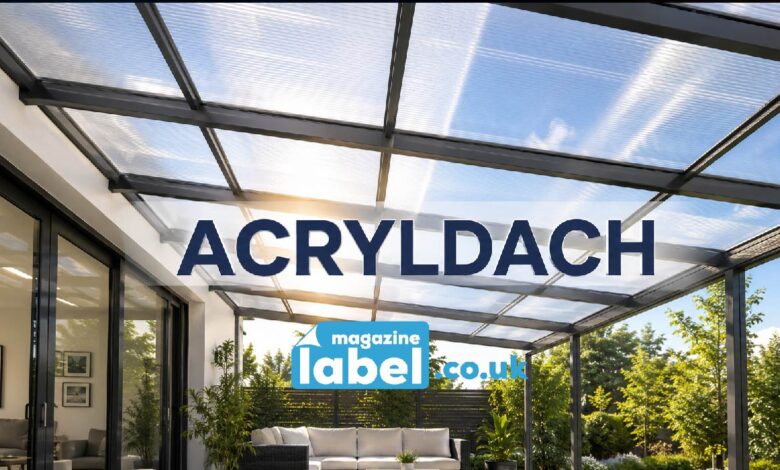
Acryldach is used in many different applications because of its flexibility and benefits. One of the most common uses is in patios and pergolas. It provides protection from rain while still allowing sunlight to enter. Carports are another common use, as Acryldach protects vehicles without making the space dark. Skylights are also popular, as they bring natural light into indoor areas.
Greenhouses use Acryldach because it allows plants to receive the light they need while protecting them from harsh weather. Balconies and terraces also benefit from Acryl dach roofing. In commercial buildings, it is used in atriums and walkways to create bright and open spaces. Public structures like bus stops and shelters also use Acryldach for its durability and transparency. These uses show how versatile Acryl dach can be.
Installation Guide for Acryldach
Installing Acryldach requires careful planning and proper techniques. The first step is planning and measurement. The area must be measured accurately to ensure the panels fit correctly. Next, a support structure is built, usually using materials like wood or metal. The acrylic panels are then cut to the required size using proper tools. Fixing the panels is a critical step. Screws and sealing materials are used to secure the panels in place. One of the most important factors is allowing for thermal expansion.
The panels must not be fixed too tightly, as they need space to expand and contract. Slope is also important. The roof should have a slight angle to allow water to drain properly. Without proper slope, water can collect and cause problems. For simple projects, installation can be done by experienced DIY users. However, for larger or more complex structures, professional installation is recommended to ensure safety and durability.
Maintenance and Lifespan
Acryldach is known for its low maintenance requirements. Regular cleaning is usually enough to keep it in good condition. A soft cloth with water and mild soap can be used to remove dirt and dust. It is important to avoid harsh chemicals and abrasive materials, as they can damage the surface. Periodic checks should also be done to inspect seals and fixings. This helps prevent leaks and ensures the structure remains secure. With proper care, Acryldach can last between 15 and 30 years. High-quality panels with UV protection tend to last longer and maintain their clarity. This long lifespan makes Acryl dach a reliable roofing solution.
Cost of Acryldach
The cost of Acryldach depends on several factors. These include the thickness of the panels, the type of material used, and any additional coatings. Installation costs also play a role in the total price. In general, Acryl dach is considered a mid-range option. It is more affordable than glass but may cost more than basic metal roofing. High-quality panels with UV protection are more expensive but offer better performance and longer lifespan. Cheaper panels may save money initially but can lead to higher costs in the long run due to replacement or maintenance. Overall, Acryldach provides a good balance between cost and performance.
Environmental Impact and Sustainability
Acryldach has both positive and negative environmental aspects. One positive feature is that acrylic can be recycled in some regions. This helps reduce waste and supports sustainable practices. Another benefit is energy efficiency. By allowing natural light into buildings, Acryldach reduces the need for artificial lighting during the day. This can lower energy consumption over time. The long lifespan of the material also means fewer replacements, which reduces waste. However, the production of acrylic involves chemical processes that have environmental impacts. Despite this, the durability and energy-saving benefits help balance these concerns. Overall, Acryldach can be considered a reasonably sustainable option when used correctly.
Is Acryldach Worth It?
Acryldach is a good choice for many situations, but it depends on the needs of the project. It is especially useful for spaces where natural light is important. If you want a bright patio, greenhouse, or skylight, Acryl dach is a strong option. It is also suitable for people looking for a modern and lightweight roofing solution. However, it may not be the best choice in areas with high impact risks, where stronger materials like polycarbonate may be better. Proper installation is also essential to avoid issues with thermal expansion. When used correctly, Acryl dach offers a good balance of cost, durability, and appearance. This makes it a valuable option for both residential and commercial use.
Conclusion
Acryldach is a modern roofing solution that combines protection with natural light. It offers many advantages, including high transparency, lightweight structure, and low maintenance. Its ability to create bright and open spaces makes it popular in both homes and commercial buildings. While it has some limitations, such as sensitivity to scratches and the need for proper installation, these issues can be managed with the right approach. Overall, Acryldach provides a practical and attractive solution for many roofing needs. As construction trends continue to focus on energy efficiency and design, Acryl dach is likely to remain an important choice in the future.
(FAQs)
What is Acryldach in simple words?
Acryldach is a roofing system made from acrylic sheets that lets sunlight pass through while protecting from rain and weather. It is commonly used for patios, skylights, and greenhouses.
Why are people searching for Acryldach on Google in 2026?
People are searching for Acryldach because modern homes need more natural light and energy-saving solutions. It is becoming popular for its clean design, durability, and practical use in outdoor spaces.
Is Acryldach better than polycarbonate?
Acryldach offers better clarity and long-term appearance, while polycarbonate is stronger against impact. The best choice depends on whether you need better looks or higher strength.
How long does Acryldach last?
Acryldach can last between 15 to 30 years with proper installation and simple maintenance. High-quality panels with UV protection usually last longer and stay clear.
Where is Acryldach mostly used?
Acryldach is mostly used in patios, pergolas, carports, skylights, and greenhouses. It is popular in both residential and commercial buildings where natural light is important.
For More Information Visit Label Magazine