
Introduction
Outdoor activities have become more popular than ever, and that is one reason why more people are searching for Tarnplanen in 2026. Many individuals are spending more time camping, hiking, bushcrafting, hunting, and learning outdoor survival skills. At the same time, there is growing interest in emergency preparedness and practical gear that can be used in different situations. Because of these trends, Tarnplanen has gained attention among outdoor enthusiasts who want reliable equipment that offers protection and flexibility.
Tarnplanen is a camouflage tarp designed to provide shelter, concealment, and weather protection in outdoor environments. While some websites have recently described Tarnplanen as a planning method or adaptive framework, its primary meaning remains much simpler. In most cases, Tarnplanen refers to a durable camouflage covering used for camping, military applications, hunting, survival situations, and general outdoor activities.
The growing popularity of Tarnplanen comes from its ability to perform many tasks with a single piece of equipment. It can be used as a temporary shelter, rain cover, groundsheet, windbreak, or protective cover for gear and supplies. Campers, hikers, hunters, survivalists, photographers, and even homeowners appreciate its versatility and practicality.
In this guide, you will learn the meaning of Tarnplanen, its history, common uses, materials, benefits, buying considerations, and future developments. By the end, you will understand why Tarnplanen remains one of the most useful outdoor tools available today.
What Is Tarnplanen?
Tarnplanen is a durable camouflage tarp designed for shelter, concealment, weather protection, and outdoor survival. Originally associated with military and tactical applications, Tarnplanen is now widely used for camping, hunting, bushcraft, emergency preparedness, and general outdoor activities. Its strong materials, weather resistance, and camouflage patterns make it a practical solution for people who need reliable outdoor protection.
Meaning and Origin of the Word Tarnplanen
The word Tarnplanen comes from the German language and has a simple meaning. It combines two separate words: “Tarn,” which means camouflage, concealment, or disguise, and “Planen,” which refers to tarps, covers, or protective sheets. When combined, the term literally means a camouflage tarp or camouflage covering.
The concept behind Tarnplanen is straightforward. Outdoor users often need equipment that protects them from weather conditions while also helping them blend into natural surroundings. Camouflage patterns reduce visibility and make shelters, equipment, or vehicles less noticeable in forests, fields, and other outdoor environments. This feature has been valuable for military operations for many decades.
Over time, the use of Tarnplanen expanded beyond military organizations. Campers, hunters, wildlife photographers, and survival enthusiasts discovered that camouflage tarps provided practical benefits during outdoor adventures. As outdoor recreation grew in popularity, the term became more widely recognized in civilian markets.
Today, Tarnplanen represents more than a military tool. It is commonly viewed as a versatile outdoor tarp that combines shelter, protection, durability, and concealment. While modern interpretations sometimes use the term in a symbolic or metaphorical way, its primary meaning remains rooted in practical outdoor equipment.
The History and Evolution of Tarnplanen
The idea behind Tarnplanen can be traced back to early human efforts to hide people, supplies, and structures from view. Long before modern camouflage fabrics existed, individuals used branches, leaves, mud, and natural materials to conceal themselves and their belongings. These simple methods served as the foundation for modern camouflage systems.
As military tactics evolved, armies began developing specialized camouflage materials to improve concealment. During the twentieth century, camouflage patterns became more sophisticated, and waterproof coverings were introduced to protect equipment and personnel from harsh weather conditions. These improvements led to the creation of durable camouflage tarps that could provide both shelter and concealment.
The development of synthetic materials such as nylon, polyester, and PVC significantly improved the performance of outdoor coverings. These materials offered better durability, lighter weight, and greater resistance to water and sunlight. As a result, Tarnplanen became easier to transport and more reliable in demanding environments.
Eventually, outdoor recreation markets adopted these products for civilian use. Campers, hikers, hunters, and bushcraft enthusiasts recognized their value and began using them as lightweight shelters and protective covers. Today, Tarnplanen continues to evolve with modern materials, improved coatings, and advanced camouflage designs that meet the needs of both professionals and recreational users.
Why Tarnplanen Is Gaining Attention in 2026
Several trends have contributed to the growing popularity of Tarnplanen in 2026. One major factor is the continued rise of outdoor recreation. More people are spending weekends camping, hiking, fishing, and exploring nature. As a result, demand for practical outdoor equipment has increased significantly.
Bushcraft and survival skills have also become more popular through social media platforms, video content, and outdoor education programs. Many people want to learn how to build shelters, prepare for emergencies, and become more self-reliant. Tarnplanen fits perfectly into these activities because it serves multiple purposes while remaining lightweight and portable.
Another reason for its growing popularity is increased awareness of emergency preparedness. Natural disasters, extreme weather events, and unexpected emergencies have encouraged many households to maintain basic preparedness supplies. A reliable tarp can provide temporary shelter and protection during challenging situations.
The lightweight camping movement has also influenced consumer preferences. Modern outdoor enthusiasts often seek gear that performs several functions while reducing overall pack weight. Tarnplanen can replace multiple pieces of equipment, making it attractive for backpackers and minimalist campers.
As more people look for versatile, affordable, and durable gear, Tarnplanen continues to gain recognition as a practical solution for both recreation and preparedness.
How Tarnplanen Works in Real Outdoor Situations
One of the biggest strengths of Tarnplanen is its versatility in real-world outdoor situations. Unlike specialized equipment designed for only one purpose, a Tarnplanen can perform many different functions depending on the user’s needs.
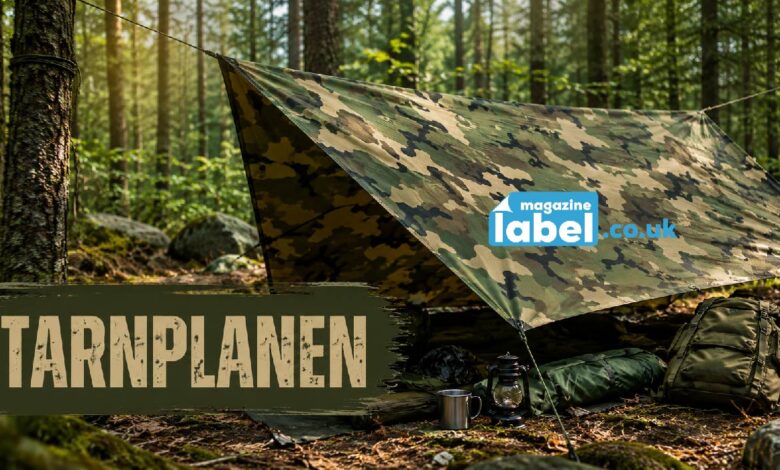
For shelter creation, a Tarnplanen can be quickly suspended between trees using ropes or cords. This setup creates a simple roof that protects users from rain and sunlight. Campers often use it as a lightweight alternative to traditional tents during short trips.
During rainy weather, Tarnplanen provides reliable protection by preventing water from reaching sleeping areas, equipment, and supplies. In windy conditions, it can be positioned as a windbreak to reduce exposure and improve comfort around campsites.
Many hikers use Tarnplanen as a groundsheet beneath sleeping pads or tents. This helps keep equipment clean and dry while protecting against moisture from the ground. Hunters and wildlife photographers often use camouflage tarps to remain hidden while observing animals in natural habitats.
A simple example is a weekend camper who uses Tarnplanen as a shelter during a sudden rainstorm. Another example is a hunter who creates a concealed observation point near a wildlife area. In both cases, the tarp provides practical protection while remaining easy to transport and set up.
Main Features of Tarnplanen
Weather Resistance
One of the most important features of Tarnplanen is its ability to withstand various weather conditions. Most models are designed to resist rain, wind, sunlight, and moisture, making them suitable for year-round outdoor use.
Camouflage Design
The camouflage pattern helps users blend into natural surroundings. This feature is especially useful for hunting, wildlife observation, and tactical applications where reduced visibility is important.
Lightweight Construction
Modern Tarnplanen products are often made from lightweight materials that are easy to carry. This allows hikers and campers to transport them without adding excessive weight to their packs.
Portability
Most Tarnplanen models can be folded into compact sizes for convenient storage and transportation. This portability makes them ideal for travel and emergency kits.
Multiple Tie-Out Points
Reinforced tie-out points and grommets allow users to create different shelter configurations. This flexibility makes setup easier in various environments.
Quick Setup
A Tarnplanen can often be deployed within minutes. This quick setup capability is valuable during changing weather conditions or emergency situations.
Long-Term Durability
High-quality Tarnplanen products are designed to withstand repeated outdoor use. Reinforced edges, strong fabrics, and weather-resistant coatings contribute to a long service life.
Common Materials Used in Tarnplanen
Polyester
Polyester is one of the most commonly used materials in Tarnplanen manufacturing. It is lightweight, durable, and resistant to stretching when wet. Polyester also provides good UV resistance, making it suitable for long periods of outdoor exposure. However, lower-quality polyester may eventually wear down under extreme conditions.
Nylon
Nylon is known for its excellent strength-to-weight ratio. It is lightweight and highly durable, making it popular among backpackers and hikers. Nylon tarps are easy to carry and perform well in demanding outdoor environments. One disadvantage is that nylon can absorb some moisture and may stretch slightly during heavy rain.
Ripstop Nylon
Ripstop nylon is an upgraded version of standard nylon. It contains reinforced fibers woven into the fabric to prevent small tears from spreading. This material offers excellent durability while remaining lightweight. It is commonly used in premium outdoor shelters and survival equipment.
PVC-Coated Fabric
PVC-coated fabrics provide outstanding waterproof performance. These materials are strong, durable, and highly resistant to moisture. They are often used in heavy-duty Tarnplanen products designed for long-term outdoor exposure. The main disadvantage is that PVC-coated tarps are usually heavier than nylon or polyester alternatives.
Canvas
Canvas remains a popular option for users who prefer traditional materials. It offers excellent durability and breathability while providing reliable weather protection when properly treated. However, canvas is generally heavier than synthetic alternatives and may require additional maintenance to remain waterproof.
Types of Tarnplanen Available Today
Modern Tarnplanen products are available in several different categories to meet various outdoor needs. Military-grade Tarnplanen is designed for demanding conditions and often features advanced camouflage patterns, reinforced construction, and exceptional durability. These products are built to withstand heavy use in challenging environments.
Camping Tarnplanen focuses on portability and convenience. These tarps are lightweight, easy to pack, and designed to provide shelter during recreational outdoor activities. Many campers choose these models because they balance protection and portability effectively.
Survival Tarnplanen is designed for emergency preparedness and wilderness use. These products emphasize durability, versatility, and weather resistance. They are often included in emergency kits and survival gear collections.
Heavy-duty industrial Tarnplanen products are built for commercial applications such as equipment protection, transportation, and construction projects. Their thicker materials provide excellent durability and weather resistance.
Lightweight backpacking Tarnplanen is designed for hikers who need maximum performance with minimal weight. These models often use advanced fabrics and compact designs to reduce pack weight.
Modular shelter systems represent the latest development in Tarnplanen design. These systems allow users to connect multiple tarps or accessories to create larger and more adaptable shelter configurations for extended outdoor use.
Military Use of Tarnplanen
Tarnplanen has a long history of military use because it combines protection and concealment in a single piece of equipment. Armed forces around the world use camouflage tarps to hide vehicles, supplies, shelters, and observation positions from enemy detection. The camouflage patterns help equipment blend into forests, grasslands, deserts, and other environments, making it more difficult to spot from a distance.
One of the most common military applications is vehicle concealment. Trucks, communication equipment, fuel supplies, and temporary storage areas are often covered with Tarnplanen to reduce visibility. Soldiers also use these tarps to create temporary shelters during training exercises and field operations. In many situations, quick shelter can be the difference between comfort and exposure to harsh weather conditions.
Tactical observation posts also benefit from Tarnplanen. Soldiers can create concealed positions while monitoring an area without drawing attention. The tarp helps break up shapes and shadows that might otherwise reveal their location. Even with modern technology, camouflage remains an important part of military strategy.
Military organizations continue to use Tarnplanen because it is lightweight, easy to transport, affordable, and adaptable. While equipment has evolved significantly over time, the basic need for concealment and weather protection remains just as important today as it was decades ago.
Tarnplanen for Camping and Hiking
Campers and hikers often choose Tarnplanen because it provides reliable protection without adding excessive weight to their gear. Many outdoor enthusiasts appreciate equipment that serves multiple purposes, and Tarnplanen fits this requirement perfectly. A single tarp can function as a shelter, rain cover, groundsheet, gear protector, or shade structure.
During camping trips, weather conditions can change quickly. A sudden rainstorm may arrive without warning, leaving tents, sleeping bags, and equipment vulnerable to moisture. Tarnplanen provides an extra layer of protection that helps keep essential gear dry. It can also be positioned above a campsite to create a comfortable covered area for cooking, relaxing, or storing equipment.
For hikers, pack weight is always an important consideration. Traditional tents can be heavier and take up more space inside a backpack. Many minimalist hikers prefer a lightweight Tarnplanen because it offers shelter while reducing overall load. When combined with ropes and trekking poles, it can create an effective overnight shelter in many environments.
Another advantage is flexibility. Campers can adjust the tarp to suit changing weather conditions. Whether creating shade on a sunny afternoon or protection from strong winds, Tarnplanen provides practical solutions that make outdoor adventures more comfortable and enjoyable.
Tarnplanen for Bushcraft and Survival
Bushcraft and survival enthusiasts often consider Tarnplanen one of the most useful pieces of outdoor equipment. In situations where resources are limited, a versatile tarp can provide shelter, protection, and security while requiring very little space in a backpack.
One popular bushcraft shelter is the lean-to design. Using a few ropes and nearby trees, users can quickly create a roof that protects against rain and wind. This simple structure requires minimal materials while providing significant comfort. Because Tarnplanen is lightweight and durable, it works well in remote wilderness environments.
Survival situations often involve unexpected weather conditions. Exposure to rain, wind, and cold temperatures can quickly become dangerous. Tarnplanen helps reduce these risks by providing a barrier against the elements. It can also be used as a groundsheet to keep sleeping areas dry and comfortable.
For long-term outdoor living, Tarnplanen becomes even more valuable. It can cover equipment, collect rainwater, create storage areas, and protect firewood from moisture. Some survivalists even use multiple tarps to construct larger shelter systems that remain functional for extended periods.
Its ability to perform many different tasks makes Tarnplanen a practical choice for anyone interested in self-reliance, wilderness skills, and emergency preparedness.
Tarnplanen for Hunting and Wildlife Observation
Hunters and wildlife observers rely on Tarnplanen because concealment plays an important role in successful outdoor observation. Many animals are highly sensitive to movement, unusual shapes, and unfamiliar colors. Camouflage tarps help reduce visual disturbances and allow people to remain less noticeable in natural environments.
Hunters often use Tarnplanen to create temporary blinds or hidden observation points. These structures provide cover while allowing a clear view of surrounding areas. The camouflage pattern helps the shelter blend naturally into forests, fields, and brush-covered landscapes.
Wildlife photographers also benefit from Tarnplanen. Capturing natural animal behavior often requires patience and minimal disturbance. A concealed shelter allows photographers to remain in one location for extended periods without attracting attention from animals. This increases opportunities to photograph wildlife in natural conditions.
Birdwatchers use Tarnplanen for similar reasons. Many bird species are cautious around humans, especially in nesting or feeding areas. A well-positioned camouflage tarp helps observers remain unnoticed while enjoying close views of wildlife activity.
Because Tarnplanen reduces visual impact on the environment, it supports responsible observation practices while helping outdoor enthusiasts enjoy closer connections with nature.
Tarnplanen for Emergency and Disaster Preparedness
Emergency preparedness has become increasingly important in recent years, and Tarnplanen is often included in emergency supply kits because of its versatility. During natural disasters or unexpected emergencies, shelter and protection become immediate priorities. A durable tarp can provide both.
In flood situations, Tarnplanen can be used to protect belongings from rain and moisture. It may also serve as temporary roofing material when buildings experience damage. During severe storms, the tarp can help shield equipment and supplies from harsh weather conditions until permanent repairs are possible.
Emergency shelters are another important application. If homes become temporarily uninhabitable, Tarnplanen can be used to create covered living spaces or sleeping areas. Relief organizations often use tarps during humanitarian responses because they are lightweight, affordable, and easy to transport.
Many preparedness experts recommend keeping a tarp in emergency kits because it serves numerous purposes. It can provide shade during heat waves, shelter during storms, ground protection, or temporary privacy barriers. These practical uses make it one of the most valuable items for emergency planning.
Community preparedness efforts also benefit from versatile shelter materials. In situations where resources are limited, Tarnplanen can support temporary infrastructure while helping people remain safe and protected.
Tarnplanen for Home, Garden, and DIY Projects
Although Tarnplanen is often associated with outdoor adventures, it is equally useful around homes, gardens, and work areas. Many homeowners appreciate products that solve everyday problems without requiring specialized equipment, and Tarnplanen offers exactly that kind of versatility.
One common use is protecting firewood from rain and snow. A properly secured tarp helps keep wood dry and ready for use throughout the year. Gardeners also use Tarnplanen to shield plants, cover soil, and protect gardening supplies during unfavorable weather conditions.
Outdoor furniture can experience damage from sunlight, rain, and debris. Covering furniture with Tarnplanen helps extend its lifespan and reduce maintenance requirements. Vehicle owners sometimes use camouflage tarps to protect trailers, boats, motorcycles, or other equipment stored outdoors.
Construction and renovation projects also benefit from temporary coverings. Building materials, tools, and unfinished structures can be protected from moisture and dirt while work is in progress. The strong materials used in many Tarnplanen products provide reliable performance even under demanding conditions.
Backyard shelters represent another practical application. Families can create shaded seating areas, temporary outdoor gathering spaces, or simple protective structures for events. This flexibility makes Tarnplanen useful far beyond traditional camping and survival activities.
Health and Outdoor Benefits of Spending Time Under Shelter in Nature
It is important to understand that Tarnplanen itself does not directly improve health. A camouflage tarp cannot reduce stress, improve fitness, or provide medical benefits on its own. However, it can make outdoor experiences more comfortable, which encourages people to spend more time in natural environments.
Many studies suggest that spending time outdoors can support mental well-being and relaxation. Natural settings often provide opportunities to disconnect from daily stress, enjoy fresh air, and participate in physical activities such as walking, hiking, and camping. These experiences may contribute to improved mood and overall quality of life.
Tarnplanen helps make these experiences possible by providing shelter from rain, wind, and strong sunlight. When weather conditions become uncomfortable, people are often forced to leave outdoor spaces sooner than planned. A simple shelter can extend the amount of time spent enjoying nature.
Outdoor recreation also encourages movement and physical activity. Whether setting up a campsite, hiking a trail, or exploring natural areas, people remain active while engaging with their surroundings. Tarnplanen supports these activities by providing practical protection when needed.
Rather than creating health benefits itself, Tarnplanen helps remove barriers that might otherwise prevent people from enjoying longer and more comfortable outdoor experiences.
Different Tarnplanen Shelter Setups Explained
A-Frame Shelter
The A-frame shelter is one of the most popular Tarnplanen configurations. A ridgeline is stretched between two trees, and the tarp is draped over the line to form a roof. Both sides are secured to the ground using stakes or cords. This setup provides excellent rain protection and works well in moderate weather conditions.
Lean-To Shelter
The lean-to shelter uses one raised edge while the opposite edge remains close to the ground. This design creates an open front that allows easy access while blocking wind and rain from one direction. It is commonly used by bushcraft enthusiasts and survival campers.
Diamond Shelter
The diamond setup uses a single center attachment point and anchors the corners to the ground. This creates a compact shelter with good protection from changing weather conditions. Backpackers often prefer this design because it requires minimal equipment.
Sunshade Configuration
A sunshade setup positions the Tarnplanen higher above the ground to maximize airflow and shade. This design works especially well during warm weather and provides a comfortable area for resting, cooking, or socializing outdoors.
Emergency Storm Shelter
During severe weather, a low-profile shelter can provide increased protection. The tarp is positioned close to the ground and secured tightly to reduce wind exposure. Although less comfortable, this setup offers valuable protection when conditions become challenging.
Each configuration demonstrates the flexibility of Tarnplanen and highlights why it remains a popular choice among outdoor enthusiasts.
How to Choose the Right Tarnplanen
Choosing the right Tarnplanen depends on how and where you plan to use it. The first thing to consider is your intended purpose. A camper who needs lightweight shelter will have different requirements than someone looking for a heavy-duty tarp to protect equipment or supplies. Understanding your primary use helps narrow down the available options and prevents unnecessary spending on features you may never use.
Climate is another important factor. If you frequently camp in rainy environments, waterproof performance should be a top priority. Those who spend time in hot and sunny regions should look for materials with strong UV resistance. Cold-weather users may want a tarp that can handle snow, strong winds, and prolonged outdoor exposure.
Weight also plays a major role. Backpackers and hikers generally prefer lightweight materials that reduce the burden of carrying equipment over long distances. On the other hand, users who stay at fixed campsites may choose heavier materials that provide greater durability and protection.
Size selection should be based on the number of people using the shelter and the intended application. Larger tarps offer more coverage but add weight and bulk. Material choice is equally important because it affects durability, weather resistance, maintenance requirements, and cost. Finally, establish a realistic budget. A high-quality Tarnplanen may cost more initially, but it often provides better long-term value through improved durability and performance.
Important Specifications Buyers Should Understand
Hydrostatic Head Rating
Hydrostatic head measures how waterproof a fabric is. The higher the number, the greater the fabric’s resistance to water penetration. A higher rating is especially useful for users who expect frequent rain or prolonged wet conditions. Understanding this specification helps buyers choose a tarp suitable for their environment.
Denier Rating
Denier refers to the thickness and strength of the fabric fibers. Higher denier fabrics are generally stronger and more durable, while lower denier materials tend to be lighter and easier to carry. Buyers should balance strength and portability based on their specific needs.
UV Resistance
Outdoor equipment is constantly exposed to sunlight. UV-resistant fabrics maintain their strength and color for longer periods. Without proper UV protection, some materials may become brittle or fade after extended exposure to sunlight.
Tie-Out Points
Tie-out points are reinforced areas where ropes, cords, or stakes can be attached. More tie-out points provide greater flexibility when creating different shelter configurations. Strong attachment points also improve stability during windy conditions.
Reinforced Edges
The edges of a tarp experience significant stress during use. Reinforced stitching and stronger materials help prevent tearing and extend the lifespan of the product. This feature is particularly important for users who frequently deploy their tarp in challenging environments.
Weight-to-Durability Ratio
A lightweight tarp is convenient to carry, but it must also remain durable enough for outdoor use. The weight-to-durability ratio reflects the balance between portability and strength. Understanding this balance helps buyers select a Tarnplanen that meets both performance and transportation requirements.
Advantages of Using Tarnplanen
One of the greatest advantages of Tarnplanen is its multi-purpose nature. A single tarp can function as a shelter, groundsheet, rain cover, gear protector, windbreak, and temporary storage cover. This versatility reduces the need to carry multiple pieces of equipment and makes outdoor travel more efficient.
Affordability is another important benefit. Compared to some specialized outdoor gear, Tarnplanen offers excellent value because it performs numerous functions while remaining relatively inexpensive. Many users find that a quality tarp becomes one of the most frequently used items in their outdoor equipment collection.
Durability also contributes to its popularity. Most Tarnplanen products are built from strong materials that withstand rain, sunlight, wind, and repeated outdoor use. With proper care, a well-made tarp can remain functional for many years.
Lightweight transportation is particularly attractive to hikers and backpackers. Modern materials allow manufacturers to create strong yet portable tarps that fit easily into backpacks and emergency kits. Weather protection further increases their usefulness by helping users stay dry, comfortable, and protected in changing conditions.
Adaptability may be the most important advantage of all. Tarnplanen can be used in wilderness settings, campsites, gardens, construction projects, emergency situations, and countless other environments. This combination of versatility, durability, and practicality explains why it remains a trusted outdoor tool.
Limitations and Challenges of Tarnplanen
Although Tarnplanen offers many benefits, it is not without limitations. One common challenge is the significant variation in product quality. Because the term is widely used across many manufacturers, products can differ greatly in terms of materials, durability, and performance.
Cheap materials are another concern. Low-quality tarps may tear easily, lose waterproof properties over time, or fail during strong winds. Buyers who focus only on price sometimes discover that inexpensive products require frequent replacement, ultimately increasing long-term costs.
UV fading can also become an issue. Prolonged exposure to sunlight may cause camouflage patterns to fade and fabrics to weaken. While high-quality products often include UV-resistant coatings, lower-quality alternatives may deteriorate more quickly.
Improper setup presents another challenge. Even the best Tarnplanen cannot perform effectively if it is poorly secured. Incorrect tension, weak anchor points, or unsuitable shelter designs can reduce protection and increase the risk of damage.
Wind damage remains a possibility during severe weather conditions. Strong gusts can place significant stress on tie-out points and fabric surfaces. Additionally, there is no universal standard that defines Tarnplanen quality. This lack of standardization makes it important for buyers to carefully review specifications and product information before purchasing.
Tarnplanen vs Regular Tarps
Many people wonder whether Tarnplanen offers significant advantages over traditional tarps. While both products provide protection and coverage, several differences make Tarnplanen especially appealing for outdoor use.
| Feature | Tarnplanen | Regular Tarp |
|---|---|---|
| Camouflage | Designed to blend into surroundings | Usually bright or solid colors |
| Durability | Often reinforced for outdoor use | Varies widely by manufacturer |
| Outdoor Use | Designed specifically for outdoor environments | General-purpose applications |
| Tactical Use | Suitable for concealment and observation | Limited concealment value |
| Weight | Available in lightweight outdoor versions | Can be heavier depending on material |
| Cost | Usually slightly higher | Often less expensive |
The main advantage of Tarnplanen is its camouflage design and outdoor-focused construction. It is specifically developed for users who require concealment, portability, and adaptability. Regular tarps remain useful for many everyday tasks, but they often lack the specialized features that outdoor enthusiasts value.
For someone who spends significant time camping, hunting, hiking, or practicing survival skills, Tarnplanen typically provides better performance. However, users seeking a simple cover for basic household tasks may find that a standard tarp meets their needs at a lower cost.
Maintenance, Cleaning, and Storage Tips
Proper maintenance helps maximize the lifespan of Tarnplanen and ensures reliable performance over many years. Cleaning should begin by removing dirt, leaves, and debris after each use. Most tarps can be washed using mild soap and water. Harsh chemicals should generally be avoided because they may damage coatings and reduce weather resistance.
Drying is equally important. Before storing a Tarnplanen, allow it to dry completely. Storing wet fabric can encourage mold, mildew, unpleasant odors, and material degradation. A dry tarp remains in better condition and is ready for immediate use when needed.
Proper folding techniques help prevent unnecessary wear. Folding the tarp neatly reduces stress on seams and makes storage easier. Some users prefer rolling the tarp instead of folding it to minimize creases and prolong material life.
Storage conditions also matter. A cool, dry location away from direct sunlight is ideal. Long-term exposure to heat and UV radiation may weaken fabrics and cause fading. Regular inspections can identify small tears or damaged grommets before they become serious problems.
Minor repairs should be addressed quickly. Small holes can often be patched using repair kits or specialized tape designed for outdoor fabrics. Consistent maintenance protects your investment and helps ensure dependable performance in future outdoor situations.
Sustainability and Eco-Friendly Innovations
Sustainability has become an important consideration in the outdoor equipment industry, and Tarnplanen manufacturers are increasingly exploring environmentally responsible solutions. Traditional tarp production often relies on synthetic materials that can have environmental impacts during manufacturing and disposal. As awareness grows, companies are searching for better alternatives.
One promising development involves the use of recycled fabrics. Some manufacturers now incorporate recycled polyester and other reclaimed materials into their products. These materials help reduce waste while maintaining performance standards expected by outdoor users.
Eco-friendly coatings are another area of innovation. Traditional waterproof treatments sometimes contain chemicals that raise environmental concerns. New coating technologies aim to provide water resistance while reducing harmful environmental effects.
Efforts to reduce plastic waste have also influenced product design. Some companies focus on creating more durable products that last longer and require less frequent replacement. Increased durability can significantly reduce overall resource consumption over time.
Sustainable outdoor gear continues to gain popularity among environmentally conscious consumers. As manufacturing technologies improve, future Tarnplanen products may combine high performance with lower environmental impact, benefiting both outdoor enthusiasts and the natural environments they enjoy.
Future of Tarnplanen Technology
The future of Tarnplanen technology looks promising as manufacturers continue exploring new materials and design innovations. Advances in fabric technology may lead to stronger, lighter, and more durable tarps that offer improved protection without increasing weight.
Lightweight innovations are especially important for hikers and backpackers. Future materials may provide greater strength while reducing pack weight even further. This would allow users to carry more efficient shelters without sacrificing portability.
Camouflage systems are also becoming more sophisticated. Researchers continue developing patterns that perform better across different environments and lighting conditions. Improved camouflage may enhance concealment for both recreational and professional users.
Heat-reflective coatings represent another area of interest. These coatings could help reduce heat buildup beneath shelters, improving comfort during hot weather. Such innovations would be particularly valuable in warm climates and disaster-relief applications.
Some experts envision smart outdoor shelters that incorporate advanced materials capable of monitoring environmental conditions or improving weather resistance. While these concepts are still developing, they demonstrate the potential for continued innovation.
Disaster-relief organizations may also benefit from future improvements. Stronger, lighter, and easier-to-deploy Tarnplanen products could support emergency shelter efforts in areas affected by natural disasters and humanitarian crises.
Is Tarnplanen Worth Buying?
For many people, Tarnplanen is absolutely worth buying because it provides exceptional versatility and practical value. Campers, hikers, hunters, survival enthusiasts, and preparedness-minded individuals can all benefit from having a reliable camouflage tarp available when needed.
People who frequently spend time outdoors often discover that Tarnplanen becomes one of their most useful pieces of equipment. Its ability to function as a shelter, rain cover, windbreak, groundsheet, and protective covering makes it suitable for a wide range of situations.
However, not everyone requires the specialized features offered by Tarnplanen. Individuals who only need occasional protection for simple household tasks may find that a standard tarp provides adequate performance at a lower price. The decision ultimately depends on intended use and personal preferences.
When evaluating value for money, durability should be considered alongside purchase price. A well-made Tarnplanen may cost more initially, but its longer lifespan and superior performance often justify the investment. For users who regularly participate in outdoor activities, the long-term benefits can easily outweigh the initial expense.
Final Thoughts
Tarnplanen may appear to be a simple camouflage tarp, but its usefulness extends far beyond basic weather protection. Over the years, it has evolved from a military concealment tool into a versatile piece of equipment trusted by campers, hikers, hunters, bushcraft enthusiasts, survivalists, homeowners, and emergency preparedness experts. Its ability to perform multiple functions while remaining lightweight and portable makes it valuable in countless situations.
Whether providing shelter during a rainstorm, protecting equipment from harsh weather, supporting wildlife observation, or helping communities respond to emergencies, Tarnplanen consistently demonstrates its practical value. The combination of durability, adaptability, and affordability allows it to meet the needs of both recreational users and professionals.
As materials and manufacturing technologies continue to improve, Tarnplanen will likely become even more effective and environmentally responsible. New innovations may enhance performance while reducing environmental impact, ensuring that future generations can continue benefiting from this versatile outdoor tool.
In 2026, Tarnplanen remains one of the most useful and dependable pieces of outdoor equipment available. Its simple design, proven reliability, and wide range of applications ensure that it will continue serving outdoor enthusiasts and preparedness-minded individuals for many years to come.
(FAQs)
What is Tarnplanen used for?
Tarnplanen is mainly used for shelter, weather protection, and camouflage in outdoor environments. People use it for camping, hiking, hunting, bushcraft, survival situations, and protecting equipment from rain, wind, and sunlight.
Is Tarnplanen waterproof?
Most Tarnplanen products are waterproof or highly water-resistant. They are designed to keep people, gear, and shelters dry during rain and wet weather. Waterproof performance depends on the material and coating used.
Is Tarnplanen better than a regular tarp?
Tarnplanen is often better for outdoor activities because it includes camouflage patterns and is usually designed for camping, hunting, and survival use. Regular tarps are useful too, but they may not offer the same level of concealment.
What material is best for Tarnplanen?
Ripstop nylon and polyester are among the most popular materials because they are lightweight, durable, and weather-resistant. Heavy-duty users may prefer PVC-coated fabric for maximum waterproof protection and durability.
Can Tarnplanen be used for camping and survival?
Yes, Tarnplanen is widely used for camping and survival activities. It can be turned into a shelter, groundsheet, rain cover, windbreak, or gear protector, making it one of the most versatile outdoor tools available.
For More Information Visit Label Magazine