

Introduction
There is something quietly powerful about natural materials. You notice it without trying. Wood feels warmer than plastic. Cotton feels softer than synthetic fabric. And wool, in its own way, feels honest. That is exactly where Wollmatten come in. You might not be searching for them directly, but once you come across the idea, it tends to stay with you.
Wollmatten, or wool mats, are part of a growing shift toward natural living. People are slowly moving away from artificial materials and returning to things that feel real, durable, and connected to nature. This is not just about style. It is about comfort, sustainability, and long-term value. Wool has been used for centuries, yet it is being rediscovered today with fresh appreciation.
What makes Wollmatten stand out is how simple they are and how well they perform. They offer warmth, reduce noise, last for years, and do not harm the environment. In this guide, you will learn everything about Wollmatten, from their history and benefits to how to choose the right one for your home.
What Are Wollmatten?
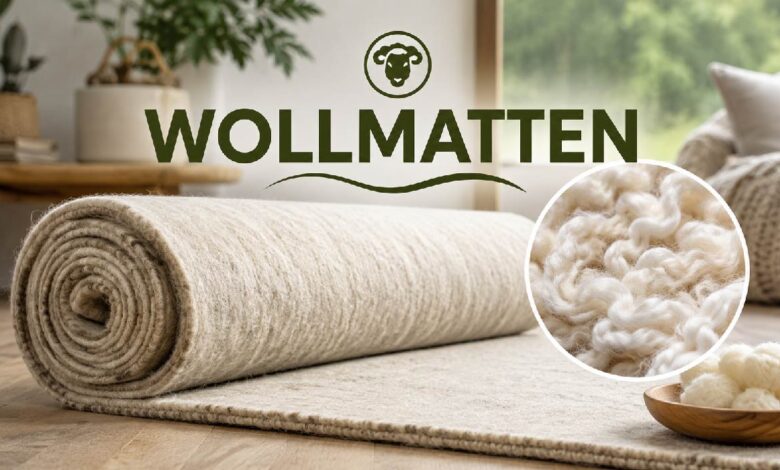
Wollmatten are natural wool mats made from sheep wool that has been processed into dense, usable material. They are used for insulation, comfort, and interior design. These mats are known for being durable, breathable, and eco-friendly, making them a practical and sustainable choice for modern homes and construction.
The Origin and History of Wollmatten
The story of Wollmatten begins long before modern homes and interior design trends. Wool has been used by humans for thousands of years. In colder regions, especially in Alpine areas and across Northern Europe, people relied on wool to stay warm and comfortable. It was one of the most practical materials available, and it worked well in harsh environments.
Nomadic cultures also used wool in their daily lives. They created mats, rugs, and coverings that were easy to carry, strong, and resistant to weather. These early Wollmatten were handmade with simple tools, yet they were highly effective. They provided insulation from the cold ground and added comfort inside tents and homes.
Over time, wool mats became more refined. In Europe, they were used not only for function but also for decoration. Patterns and textures started to appear, showing both creativity and craftsmanship. Today, modern Wollmatten combine traditional knowledge with improved production methods, making them more consistent, cleaner, and suitable for modern interiors and eco-friendly construction.
Why Wool Is a Powerful Natural Material
Wool is not just a soft material. It has unique natural properties that make it highly effective. One of the most important features of wool is its structure. Each fiber has a natural crimp, which creates tiny air pockets. These air pockets trap heat, which is why Wollmatten provide excellent insulation.
Another important quality is moisture control. Wool can absorb moisture without feeling wet. This allows it to regulate humidity in a room. It keeps spaces dry and comfortable without trapping dampness. This is something synthetic materials often struggle to do.
Wool is also naturally flame resistant. It does not catch fire easily and does not require chemical treatments to achieve this. In addition, wool fibers are elastic. They bend under pressure and return to their original shape. This makes Wollmatten durable and long-lasting.
Compared to synthetic materials like polyester or foam, wool offers better comfort, better air circulation, and a lower environmental impact. It works with nature instead of against it.
Types of Wollmatten You Should Know
Felted Wollmatten
Felted Wollmatten are made by compressing wool fibers using heat and moisture. The result is a dense and smooth surface that feels firm yet comfortable. These mats are strong and easy to maintain, making them ideal for everyday use in homes.
Woven Wool Mats
Woven Wollmatten are created by interlacing wool fibers using traditional weaving techniques. They often have visible patterns and textures. These mats are durable and visually appealing, making them suitable for living rooms and decorative spaces.
Needle-Punched Wool Mats
Needle-punched mats are made by mechanically bonding fibers together. This creates a strong and stable structure. They are commonly used for insulation and industrial purposes because of their durability and resistance.
Shaggy Wool Mats
Shaggy Wollmatten have longer fibers that create a soft and plush surface. They are very comfortable underfoot and are often used in bedrooms or relaxation areas. However, they may require more cleaning due to their texture.
Flatweave Wollmatten
Flatweave mats are thin and lightweight. They are easy to clean and suitable for high-traffic areas like hallways and entryways. Their simple design makes them versatile and practical.
Common Uses of Wollmatten
Wollmatten are more versatile than most people expect. In homes, they are used as floor coverings that provide warmth and comfort. They also help reduce noise, making rooms feel quieter and more peaceful.
In construction, Wollmatten are used for insulation. They are placed in walls, floors, and roofs to maintain indoor temperature. This helps reduce energy use and improves overall comfort.
In acoustic design, they are used to control sound. Studios, offices, and meeting rooms use wool mats to reduce echo and improve sound quality. This creates a better environment for work and creativity.
In gardening, Wollmatten are placed over soil to retain moisture and suppress weeds. They slowly break down and enrich the soil, making them a natural alternative to plastic coverings.
They are also used in eco-friendly packaging to protect fragile items. Wool provides cushioning and temperature control, making it suitable for delicate products.
Benefits of Wollmatten
Wollmatten offer a combination of comfort and performance. One of their main benefits is thermal insulation. They keep spaces warm in winter and cool in summer by regulating temperature naturally.
They also provide excellent sound absorption. This makes them ideal for busy homes or workspaces where noise control is important. The natural fibers reduce echo and create a calm atmosphere.
Another major advantage is sustainability. Wollmatten are made from renewable materials and are biodegradable. They do not release harmful substances and do not contribute to plastic waste.
Durability is another key benefit. High-quality Wollmatten can last for many years without losing their shape or function. They are also resistant to dust and allergens, making them suitable for people with sensitivities.
Moisture control is another important feature. Wool can absorb humidity and release it when needed, helping maintain a healthy indoor environment.
Wollmatten vs Synthetic Mats
When compared to synthetic mats, Wollmatten offer several advantages. Synthetic materials like foam and polyester are often cheaper, but they come with limitations. They can trap heat, hold moisture, and release chemicals over time.
Wollmatten, on the other hand, are breathable and natural. They regulate temperature and humidity more effectively. They are also safer because they do not release toxic fumes.
In terms of durability, wool mats often last longer because of their elastic fibers. Synthetic mats may lose shape or break down faster.
From an environmental perspective, Wollmatten are clearly better. They are biodegradable and renewable, while synthetic materials contribute to pollution and waste.
Where to Use Wollmatten in Your Home
Wollmatten can be used in many areas of a home. In the living room, they add warmth and create a comfortable atmosphere. They also reduce noise, which makes the space feel more relaxed.
In the bedroom, placing a wool mat beside the bed makes mornings more comfortable. The soft surface adds a simple but noticeable improvement to daily life.
In workspaces or studios, Wollmatten help reduce fatigue when standing for long hours. They also improve acoustics, making the space more focused and calm.
In entryways, they handle dirt well and are easy to clean. Their natural resistance to stains makes them practical for high-use areas.
They can even be used outdoors in gardens, where they help protect soil and support plant growth.
How to Choose the Right Wollmatte
Choosing the right Wollmatte starts with size. Many people choose mats that are too small. A properly sized mat should fit the space comfortably and serve its purpose effectively.
Material is also important. Always look for 100 percent wool if possible. Blended materials reduce the natural benefits of wool.
Thickness and texture should match the use. Thicker mats provide more comfort, while thinner ones are better for high-traffic areas.
Color and design should match your space. Neutral tones are versatile, while bold patterns can create a strong visual impact.
Certifications can also help. They show that the product meets environmental and quality standards.
Design and Style Options
Wollmatten come in many styles. Neutral tones like beige, grey, and natural wool colors are popular because they match different interiors. They create a calm and balanced look.
Bold patterns and colors can be used to add character to a room. They can act as a focal point and bring energy into the space.
Minimal designs work well in modern homes, while traditional patterns suit classic interiors. Layering Wollmatten with furniture and other textiles can create depth and texture.
Installation and Setup
Installing Wollmatten is simple. They can be cut to fit different spaces and placed without special tools. This makes them easy to use for both professionals and homeowners.
They can be layered for better insulation or placed directly on floors for comfort. Their flexibility makes them suitable for different applications.
Because they are safe to handle, they do not require protective equipment like some synthetic materials do.
Care and Maintenance of Wollmatten
Caring for Wollmatten is simple if done regularly. Vacuuming with low to medium suction helps remove dust without damaging fibers.
Spills should be handled quickly by blotting instead of rubbing. This prevents stains from setting deeper into the material.
Rotating the mat every few months helps distribute wear evenly. This keeps the mat looking good for longer.
Professional cleaning once a year can help maintain quality, especially for high-end mats.
Common Mistakes to Avoid
One common mistake is using high suction when vacuuming. This can damage the fibers over time. Gentle cleaning is always better.
Ignoring spills can lead to stains. Acting quickly makes a big difference.
Buying the wrong size is another issue. A mat that is too small does not serve its purpose well.
Choosing synthetic blends instead of pure wool reduces quality and benefits.
Improper storage can attract moths. Using natural repellents like cedar can help.
Sustainability and Environmental Impact
Wollmatten are a strong example of sustainable design. Wool is a renewable resource because sheep produce it naturally each year. This makes it a reliable material without long-term environmental harm.
Unlike synthetic materials, wool does not release microplastics. It is fully biodegradable and returns to the soil at the end of its life cycle.
The production process also requires less energy compared to synthetic alternatives. This reduces overall environmental impact.
Wollmatten fit well into the concept of a circular economy, where materials are reused and returned to nature instead of becoming waste.
Performance and Durability Explained
Wollmatten are known for their long lifespan. With proper care, they can last for many years, sometimes even decades.
The fibers are strong and flexible, which allows them to handle pressure without breaking. This makes them suitable for both residential and commercial use.
They also maintain their shape over time, unlike some synthetic materials that flatten or degrade.
Their ability to manage moisture adds to their durability, as it prevents damage caused by damp conditions.
Pros and Cons of Wollmatten
Wollmatten offer many benefits. They are natural, eco-friendly, comfortable, and durable. They are also safe and improve indoor air quality.
However, they can have a higher upfront cost compared to synthetic options. Availability may also vary depending on location. Proper care is required to maintain their quality over time.
Who Should Use Wollmatten?
Wollmatten are suitable for many people. Homeowners who care about sustainability will find them a good choice. They are also ideal for those who value comfort and long-term durability.
Interior design enthusiasts can use them to enhance spaces. Gardeners can use them for soil protection. Builders working on eco-friendly projects can use them for insulation.
People with allergies may also benefit because wool resists dust and pollutants.
Future Trend: Why Wollmatten Are Growing in Popularity
Wollmatten are becoming more popular as people focus on sustainable living. There is a growing shift away from synthetic materials toward natural alternatives.
Minimalist and eco-friendly lifestyles are also influencing this trend. People want products that are simple, useful, and long-lasting.
Wollmatten fit this mindset perfectly. They are not just a trend but a practical solution that aligns with modern values.
Conclusion
Wollmatten are more than just simple mats. They represent a return to natural materials that work well and last long. They provide comfort, improve indoor environments, and support sustainable living.
Their benefits are practical and easy to understand. They insulate, absorb sound, and maintain balance in a space. At the same time, they reduce environmental impact.
Choosing Wollmatten is not just about decoration. It is about making thoughtful decisions for your home and your lifestyle. When you choose something that is natural, durable, and useful, it adds real value over time.
In a world full of fast and temporary solutions, Wollmatten offer something different. They are simple, reliable, and built to last. That is what makes them worth considering.
(FAQs)
What are wollmatten and why are they used in homes?
Wollmatten are wool-based mats made from natural sheep fibers. They are used in homes for comfort, insulation, and noise reduction. Their natural structure helps regulate temperature while also adding a soft and warm feel underfoot.
Are wollmatten better than synthetic mats for everyday use?
Wollmatten are often better for comfort, breathability, and environmental impact. Unlike synthetic mats, they regulate moisture and temperature naturally. They are also safer and more durable, although they may cost more initially than synthetic alternatives.
Can wollmatten be used for insulation in buildings?
Yes, wollmatten are widely used for insulation in walls, floors, and roofs. Their natural fiber structure traps air, which helps maintain indoor temperature. This makes them a practical and eco-friendly option for energy-efficient construction projects.
Do wollmatten require a lot of maintenance over time?
Wollmatten are easy to maintain with regular care. Light vacuuming and quick cleaning of spills are usually enough. With proper handling and occasional professional cleaning, they can last for many years without losing their quality or comfort.
Are wollmatten safe for people with allergies?
Yes, wollmatten are generally safe for people with allergies. Wool naturally resists dust mites and does not trap allergens as much as synthetic materials. This makes them a good choice for maintaining a cleaner and healthier indoor environment.
Can wollmatten be used in outdoor or garden spaces?
Wollmatten can be used in gardens to protect soil and retain moisture. They help suppress weeds and slowly break down over time, adding nutrients to the soil. This makes them a natural alternative to plastic-based gardening materials.
How long do wollmatten typically last with regular use?
High-quality wollmatten can last for many years, often decades, with proper care. Their elastic fibers allow them to maintain shape and performance over time, making them a long-term investment for both comfort and functionality.
What should I check before buying a wollmatte?
Before buying, check the material quality, size, thickness, and whether it is made from 100 percent wool. Also consider the design and intended use to ensure it fits your space and provides the comfort and durability you expect.
For More Information Visit Label Magazine